

During these uncertain times, Miami Payroll Center is keeping up to date on all legislative and tax related responses to the COVID-19 crisis as they relate to small businesses and their employees. As additional information becomes available from related government agencies such as the Department of Labor and the IRS, this page will be updated accordingly.
On Wednesday, March 18th, the President signed the Families First Coronavirus Response Act to take effect on April 1, 2020 and will sunset on December 31, 2020. The Act provides for mandated paid emergency sick leave and paid family and medical leave for many workers. To offset wages paid under the program, employers will receive a tax credit. There are still several uncertainties, such as the timing of the credits to offset the payments required by employers. Many of the details for implementation are still unknown until individual government agencies, e.g. DOL, IRS, release their own guidance between now and April 1, 2020. As additional details are released for implementation, we will update the information on this page.
If you have specific questions as to how these changes may affect your business, please contact us at 305-273-4066.
Useful Links
- NEW! 3/27/2020 U.S. Dept. of Labor F.A.Q. on Families First Coronavirus Response Act
- Department of Labor COVID-19 related updates
- Required Poster for FFCRA
- OSHA’s Guidance on Preparing Workplaces for COVID-19
- OSHA’s site for COVID-19 Resources
- FL Reemployment Assistance_FAQ
- SBA Disaster Loan Fact Sheet
- SBA Disaster Assistance in Response to the Coronavirus
COVID-19 Miami Payroll Center Published Resources
IRS Updates
The IRS has established a special section focused on steps to help taxpayers, businesses and others affected by the coronavirus. This page will be updated as new information is available.
- NEW! 3/30/2020 Economic Impact Payments to Employees
- NEW! 3/26/2020 Treasury, IRS and Labor announce plan to implement Coronavirus-related paid leave for workers and tax credits for small and midsize businesses to swiftly recover the cost of providing Coronavirus-related leave
- Coronavirus Tax Relief
- Treasury and IRS Issue Guidance on Deferring Tax Payments Due to COVID-19 Outbreak
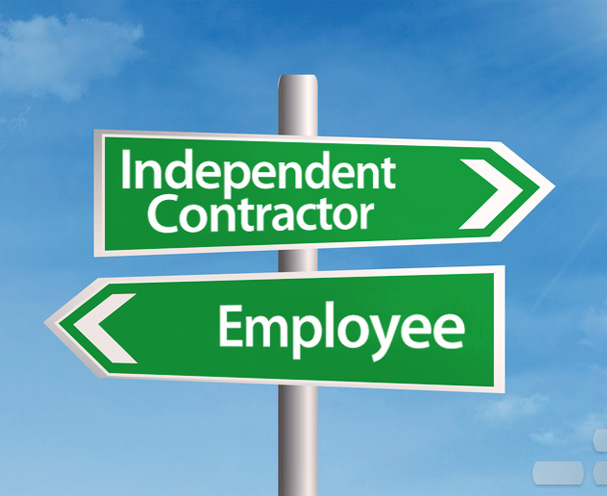
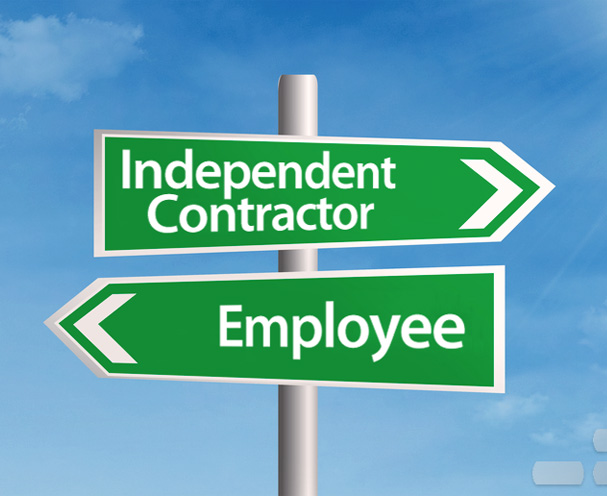 First of these costly mistakes is the misclassification of employees as exempt, mainly to avoid paying overtime. Cooks, wait staff, and even assistant managers rarely meet the legal requirement required by the IRS to exempt them from overtime laws. Yet, due to the long hours required of these jobs and the temptation to skirt overtime pay an owner will simply misclassify one of these positions as exempt.
 Keep in mind that depending on the final IRS guidelines, your employees may need to complete and return to you a new W-4 form. Current W-4 form asks employees if they were married and about the number of children in their family. The new tax bill eliminates those exemptions, so the old W-4 will likely be invalid.
 In short, the DOL’s definition of a fiduciary requires that financial advisors, salespersons, planners, agents and brokers act in the best interests of their clients, put their clients’ interests above their own and clearly disclose all fees and commissions in dollar form. The rule creates a much greater level of accountability than salespersons and others have seen in the past and would have had a significant impact on those who rely on commission based sales. Retirement planning for defined contribution plans (401(k), 403(b), employee stock ownership), defined benefits plans (pension plans) and IRA’s could have seen significant changes.
 Employers in the hospitality industry have come to terms with Florida’s higher-than-federal minimum wage, but many struggle with the tipped minimum wage and how to ensure compliance when paying tipped employees. The current minimum wage in Florida is $8.05 per hour, with a minimum directly paid wage of at least $5.03 per hour for tipped employees (with tips making up the difference).
 Wondering how these new rules impact your labor force, and what you can do to ensure you remain in compliance? We can help! Complete the form to your right or call and ask for help- one of our HR Consultants will be glad to sit with you and analyze the impact to your impact and recommend solutions for your particular situation. There is no one-size-fits-all solution to complying with this rule, as what is best for every business can vary depending on many factors.
 In late August the National Labor Relations Board (NLRB) made a decision (
 And the answer is yes, since 1978 federal law has recognized pregnancy as a protected class; problem was- the Florida Civil Rights Act did not specifically contain this protection. Back in April 2014, the Florida Supreme Court held in Delva v. Continental Group, Inc. (No. SC12-2315) that “discrimination based on pregnancy is in fact discrimination based on sex because it is discrimination as to a natural condition unique to only one sex.” By passing this legislation, our state lawmakers are just now codifying existing judge-made case law, by amending the express language of the Florida statute itself.